
San Leandro Chooses Politics Over Evidence
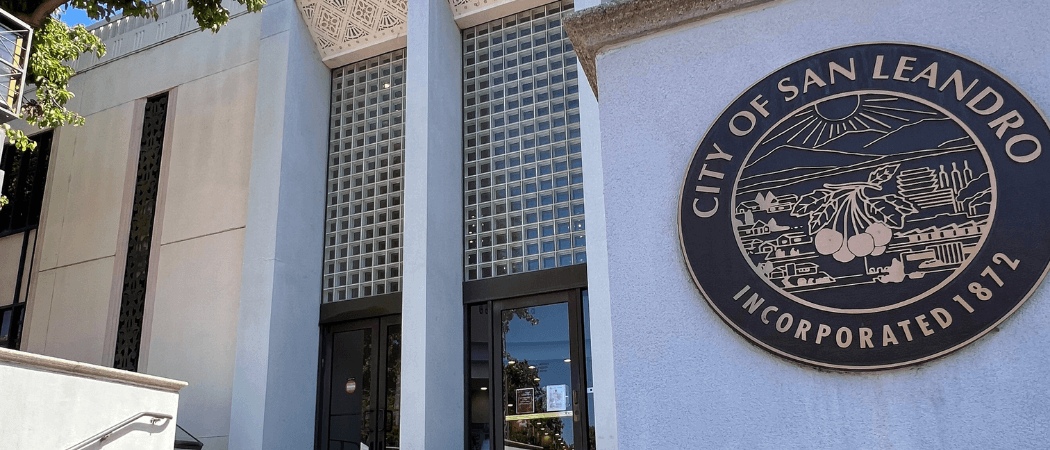
After months of individual meetings with council members, warnings from rental housing experts, and hours of public comment overwhelmingly opposed to rent control, the San Leandro City Council moved forward anyway.
On February 2, during the second reading of the Rent Stabilization ordinance, the Council voted 5–1 to adopt Ordinance No. 2026-001, adding Chapter 4-46 to the San Leandro Municipal Code and formally establishing Residential Rent Stabilization.
The outcome felt predetermined. What made it striking was not just the policy itself, but the complete absence of deliberation from the council before the final vote. After hours of testimony from rental owners, housing providers, and residents warning of long-term consequences, Councilmembers offered no discussion, no questions, and no engagement.
Starting January 1, 2027, rent increases for covered units will be capped at the lower of 3% or 65% of CPI, based on the rent in effect on July 1, 2025. Any rent increases before that date remain governed by existing leases and state law.
For rental owners who participated in the long process of community workshops and committee meetings in good faith, the message was clear: public input was heard, but not considered.
Mayor Gonzalez Stands Alone
Before the vote, Mayor Juan Gonzalez, the lone “no” vote, delivered a detailed and deeply critical explanation of why he opposed the ordinance.
He reminded the public that he ran for mayor on a promise of balance, not ideological policymaking. He proposed alternatives, including income-based protections for seniors, a rent registry to gather real data, and a 5% annual cap, already a 50% reduction from the state limit.
That compromise, he noted, was once supported even by some of the City’s most progressive voices. But as political momentum grew, compromise disappeared.
The Mayor rejected the claim that rent control must be passed because of a lack of data, arguing the opposite: passing a sweeping regulation without data is reckless. He emphasized that most rental owners already keep rent increases modest because a reliable renter is more valuable than turnover. This is a reality confirmed repeatedly by housing providers.
He also challenged the narrative tying rent increases to homelessness, stating plainly that no data shows rents in San Leandro are the cause of homelessness, based on his firsthand experience with past and recent point-in-time counts.
Most importantly, Mayor Gonzalez warned that this ordinance does nothing to increase housing supply, does nothing to lower rents, costs the city millions, and risks creating economic uncertainty that deters investment.
“Are we a pro-business city or not?” he asked.
An Extreme Ordinance With Real Consequences
Mayor Gonzalez did not mince words in calling the ordinance extreme and citing provisions in it that:
-
Prevent inflationary rent increases
-
Disallow flexibility to help renters during financial emergencies
-
Require costly hearings for basic improvement pass-throughs
-
Delegate key financial decisions to individuals with no industry experience
He raised an additional concern that few on the Council acknowledged: legal risk. In his view, the ordinance approaches a regulatory "taking", exposing the City to potential litigation.
Perhaps most troubling, the Mayor observed that the final policy was not shaped by data or outcomes, but by vote counting. What was once considered a reasonable 5% cap suddenly became “unacceptable” to the other council members. Not because conditions changed, but because political power did.
Short-Term Politics, Long-Term Damage
San Leandro is not alone. Across California, elected officials are increasingly eager to pass housing laws that contradict economic consensus, dismiss supply-and-demand fundamentals, and ignore the lessons learned in neighboring cities.
These policies may deliver short-term political wins, but they come with long-term consequences: reduced housing supply, deferred maintenance, deteriorating housing conditions, and fewer options for renters.
The irony is painful. Cities desperate for affordability continue to adopt policies that discourage housing investment, ensuring scarcity persists.
What happened on February 2 in San Leandro was not just a vote on rent stabilization. It was another example of how myths and ideology are replacing evidence in housing policy and why California’s housing shortage continues to deepen, city by city.
San Leandro had an opportunity to lead with balance, data, fairness, and restraint. Instead, it chose to follow a path that history has already shown does not work.
The East Bay Rental Housing Association will continue to advocate for pro-housing policy that promotes balance and housing growth. If you own rental property, join EBRHA today and help us shape housing policy that not only benefits your small business, but also provides a strong, growing rental community that benefits renters.
Written by Chris Tipton, Marketing, Communications, & PR Manager for the East Bay Rental Housing Association.