EBRHA in Sacramento: Bringing the Voice of Rental Housing Providers to the Capitol
This week, the East Bay Rental Housing Association (EBRHA) was on the ground in Sacramento for CalRHA Legislative Days, engaging directly with state legislators to ensure that the realities of providing housing in California are clearly understood where policy decisions are being made.
From early morning strategy meetings to a full schedule of Capitol appointments, our delegation of EBRHA members and staff was advocating for practical, balanced housing policies that support both rental housing providers and the residents they serve. These conversations are not theoretical. They are grounded in the day-to-day challenges of operating housing in Alameda and Contra Costa counties, where regulations are complex, costs are rising, and the margin for error is small.
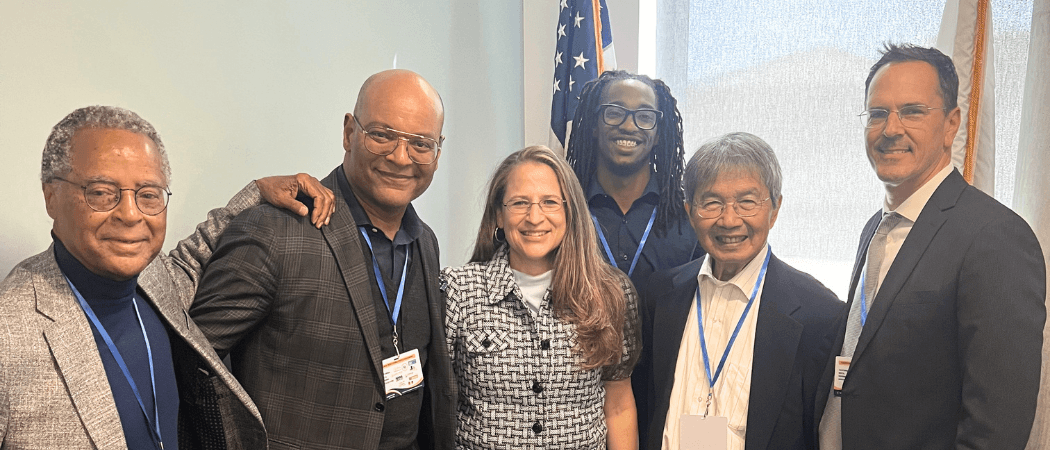 EBRHA at the state capitol meeting with Assembly Member Anamarie Ávila Farías.
A Full Day of Advocacy
The day began with CalRHA meetings at the Sheraton Grand, where housing leaders from across California aligned on key legislative priorities. From there, EBRHA representatives headed to the Capitol for a series of back-to-back meetings with lawmakers.
Throughout the afternoon, our team met with Assembly Members Rob Bonta, Buffy Wicks, and Anamarie Ávila Farías, as well as Senators Aisha Wahab, Tim Grayson, and Christopher Cabaldon. Each meeting provided an opportunity to share firsthand insights into how proposed legislation will impact housing providers and renters across the East Bay.
The conversations continue into Wednesday with additional meetings scheduled with Senator Jesse Arreguín, Assembly Member Rebecca Bauer-Kahan, Assembly Member Mia Bonta, Assembly Member Liz Ortega, and others, ensuring that a wide range of policymakers hear directly from those on the front lines of housing.
Advocating for Smart Policy
EBRHA is using this time in Sacramento to support legislation that promotes safety, fairness, and operational efficiency, while also opposing proposals that could create unintended consequences.
Among the bills we are supporting:
- SB 1335 (Strickland), which allows property owners to address health and safety concerns by removing abandoned items from common areas after proper notice.
- AB 1771 (Alvarez), which would eliminate outdated on-site manager requirements for larger properties, helping reduce operating costs and free up units for housing.
- AB 2603 (Lowenthal), which seeks to bring balance to habitability claims by ensuring housing providers have the opportunity to address issues before facing liability.
At the same time, we are voicing strong opposition to several proposals that shift financial burdens onto housing providers in ways that may ultimately harm housing stability:
- SB 1155 (Smallwood-Cuevas), which would impose eviction restrictions tied to federal government shutdowns.
- SB 1243 (Durazo), which proposes extended eviction protections tied to immigration-related hardships.
- SB 1296 (Durazo), which introduces additional regulatory requirements around pet policies in rental housing.
In each case, EBRHA is sensitive to these issues that impact renters, but ensuring lawmakers understand not only the intent behind these bills and their real-world impact on housing operations, costs, and long-term housing availability.

Why This Work Matters
Advocacy is not a one-time action. It is an ongoing commitment to showing up, speaking clearly, and representing the interests of a diverse housing community. Every meeting in Sacramento is an opportunity to bring real data, real experiences, and real consequences into the policymaking process.
The policies being discussed this week will shape the future of housing across California. Without input from housing providers, those decisions risk being made without a full understanding of how housing actually works on the ground.
EBRHA is proud to stand in that gap.
Your Voice Matters
If there is one takeaway from Legislative Days, it is this: engagement matters. The presence of housing providers in these conversations makes a difference. It ensures that policymakers hear not just from advocates and analysts, but from the people responsible for maintaining and operating housing every day.
This is what advocacy looks like. Showing up. Speaking up. And making sure that the future of housing is shaped by those who know it best.
To learn more about joining EBRHA, click HERE.